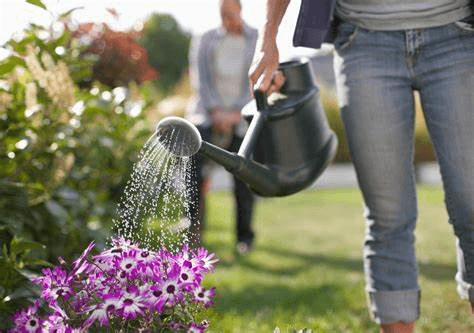
SELF CARE : Give yourself the same care and attention that you give to others and watch yourself bloom.
Self Care

Enter self-care – the ultimate solution to modern-day burnout. It's not just about bubble baths and face masks (although those can be great too!). Self-care encompasses a wide range of practices that nourish your body, mind, and soul. From physical activities to emotional healing and social connections, the world of self-care is vast and incredibly rewarding.
In this blog post, we'll dive deep into the art of self-care, exploring its many facets and how you can incorporate them into your daily life. We'll cover everything from understanding the basics of self-care to practical strategies you can implement right away. So, are you ready to embark on a journey of self-discovery and rejuvenation? Let's explore the transformative power of self-care together! 🌟

Understanding Self-Care
Defining self-care and its importance
Self-care is the practice of taking deliberate actions to maintain and improve one's physical, mental, and emotional well-being. It encompasses a wide range of activities and habits that contribute to overall health and happiness. The importance of self-care cannot be overstated, as it forms the foundation for a balanced and fulfilling life.
Common misconceptions about self-care
Many people have misconceptions about self-care, which can hinder their ability to practice it effectively. Let's address some of these misunderstandings:
- Self-care is selfish
- Self-care is only for those with mental health issues
- Self-care requires expensive treatments or products
- Self-care is time-consuming and impractical
In reality, self-care is essential for everyone and can be practiced in simple, affordable ways that fit into daily routines.
The impact of self-care on mental and physical health
Self-care has profound effects on both mental and physical health. Here's a comparison of the benefits:Mental Health Benefits Physical Health Benefits Reduced stress and anxiety Improved immune function Enhanced mood and emotional regulation Better sleep quality Increased self-esteem and confidence Higher energy levels Improved cognitive function Reduced risk of chronic diseases
By prioritizing self-care, individuals can experience a synergistic improvement in their overall well-being, leading to a more balanced and satisfying life. As we explore the various aspects of self-care, we'll delve into specific practices that can help you achieve these benefits.

Physical Self-Care Practices
Physical self-care forms the foundation of overall well-being. By focusing on our body's needs, we can improve our energy levels, mood, and resilience to stress.
A. Developing a consistent sleep routine
A regular sleep schedule is crucial for maintaining good health. Aim for 7-9 hours of sleep per night and establish a calming bedtime routine. Consider the following tips:
- Set a consistent bedtime and wake-up time
- Avoid screens 1-2 hours before bed
- Create a relaxing environment in your bedroom
B. Maintaining a balanced diet
Proper nutrition fuels our body and mind. Focus on consuming a variety of nutrient-dense foods: Food Group Examples Benefits Fruits and Vegetables Berries, leafy greens Vitamins, antioxidants Lean Proteins Chicken, fish, legumes Muscle repair, satiety Whole Grains Brown rice, quinoa Fiber, sustained energy Healthy Fats Avocado, nuts, olive oil Brain function, heart health
C. Incorporating regular exercise
Physical activity is essential for both physical and mental well-being. Aim for at least 150 minutes of moderate exercise per week. Options include:
- Brisk walking or jogging
- Yoga or Pilates
- Strength training
- Swimming or cycling
D. Practicing good hygiene
Maintaining personal hygiene not only keeps you healthy but also boosts self-esteem. Establish a daily routine that includes:
- Regular bathing or showering
- Brushing and flossing teeth twice daily
- Keeping nails clean and trimmed
- Washing hands frequently
By incorporating these physical self-care practices into your daily routine, you'll build a strong foundation for overall well-being. Next, we'll explore the importance of mental and emotional self-care to complement these physical practices.

Mental and Emotional Self-Care
Mindfulness and Meditation Techniques
Mindfulness and meditation are powerful tools for mental and emotional well-being. These practices help reduce stress, improve focus, and promote emotional balance. Here are some techniques to try:
- Breath awareness meditation
- Body scan meditation
- Loving-kindness meditation
- Mindful walking
Journaling for Self-Reflection
Journaling is an excellent way to process emotions and gain insights into your thoughts and behaviors. Consider these journaling prompts:
- What am I grateful for today?
- How did I feel during a challenging situation?
- What are my current goals and aspirations?
Setting Healthy Boundaries
Establishing and maintaining healthy boundaries is crucial for mental and emotional well-being. Here's a table outlining different types of boundaries:Boundary Type Description Example Physical Personal space and touch Respecting personal space Emotional Separating your feelings from others Not taking on others' emotions Time Managing your time and energy Learning to say "no" to commitments Material Your possessions and money Not lending items you're not comfortable with
Seeking Professional Help When Needed
Recognizing when to seek professional help is a sign of strength, not weakness. Consider reaching out to a mental health professional if you experience:
- Persistent feelings of sadness or anxiety
- Difficulty managing daily tasks
- Changes in sleep or eating patterns
- Thoughts of self-harm or suicide
Remember, taking care of your mental and emotional health is just as important as physical self-care. By incorporating these practices into your routine, you can build resilience and improve your overall well-being.

Social Self-Care
Social self-care is an essential aspect of overall well-being that often gets overlooked. By nurturing our social connections and setting healthy boundaries, we can significantly improve our mental and emotional health.
Nurturing Positive Relationships
Cultivating positive relationships is crucial for our social well-being. Here are some ways to nurture these connections:
- Regular check-ins with friends and family
- Practicing active listening
- Expressing gratitude and appreciation
- Being vulnerable and authentic in your interactions
Learning to Say No
Setting boundaries is a vital skill in social self-care. Here's how you can practice saying no:SituationPolite Way to Say NoOvercommitment"I appreciate the offer, but my schedule is full right now."Unwanted social plans"Thank you for thinking of me, but I need some alone time this weekend."Work-related requests"I'd love to help, but I have other priorities I need to focus on at the moment."
Engaging in Meaningful Social Activities
Participating in activities that align with your values and interests can greatly enhance your social self-care. Consider these options:
- Join a book club or discussion group
- Volunteer for a cause you care about
- Take a class or workshop to learn a new skill with others
- Attend community events or festivals
By implementing these social self-care practices, you'll create a supportive network and enrich your life with meaningful connections. Remember, quality over quantity is key when it comes to social interactions.
Practical Self-Care Strategies
Now that we've explored various aspects of self-care, let's dive into practical strategies you can implement in your daily life.
Creating a self-care routine
Establishing a consistent self-care routine is crucial for maintaining overall well-being. Consider the following elements when crafting your routine:
- Morning rituals (e.g., meditation, stretching)
- Daily habits (e.g., healthy eating, exercise)
- Evening wind-down activities (e.g., reading, journaling)
Identifying personal self-care needs
Self-care is not one-size-fits-all. To identify your unique needs, try the following:
- Reflect on activities that bring you joy and relaxation
- Pay attention to signs of stress or burnout
- Experiment with different self-care practices
Overcoming obstacles to self-care
Common barriers to self-care and strategies to overcome them:ObstacleStrategyLack of timeSchedule self-care activities in your calendarGuiltRemind yourself that self-care is essential, not selfishPerfectionismStart small and focus on progress, not perfection
Incorporating self-care into daily life
Make self-care a natural part of your routine by:
- Setting reminders for self-care activities
- Combining self-care with existing habits (e.g., listening to a podcast while commuting)
- Practicing mindfulness during everyday tasks
By implementing these practical strategies, you'll be well on your way to a more balanced and fulfilling life. In the next section, we'll explore how to adapt self-care practices to different life situations.

Self-Care in Different Life Situations
Self-care is not a one-size-fits-all approach. Different life situations require tailored strategies to ensure we're taking care of ourselves effectively. Let's explore how to adapt self-care practices to various life circumstances.
Self-care for busy professionals
Busy professionals often struggle to find time for self-care. Here are some strategies:
- Micro-breaks: Take short 5-minute breaks throughout the day to stretch, breathe deeply, or practice mindfulness.
- Time-blocking: Schedule self-care activities in your calendar like any other important appointment.
- Workplace wellness: Incorporate ergonomic practices and healthy snacks into your work routine.
Self-care for parents and caregivers
Parents and caregivers often prioritize others' needs over their own. Try these approaches:
- Respite care: Arrange for someone to take over caregiving duties periodically to allow for personal time.
- Self-care routines: Establish simple daily rituals, like a relaxing bath or reading time after the kids are asleep.
- Support groups: Connect with others in similar situations for emotional support and practical advice.
Self-care during times of stress or crisis
During challenging periods, self-care becomes even more crucial:
- Grounding techniques: Practice methods like the 5-4-3-2-1 sensory exercise to manage anxiety.
- Professional help: Don't hesitate to seek therapy or counseling when needed.
- Crisis plan: Develop a personal action plan for managing stress and crises.
Self-care on a budget
Self-care doesn't have to be expensive. Here are budget-friendly ideas:ActivityCostBenefitsNature walksFreePhysical exercise, stress reductionMeditation appsFree/Low-costMental clarity, relaxationLibrary visitsFreeMental stimulation, quiet timeDIY spa treatmentsLow-costRelaxation, pampering
Remember, the key to effective self-care is consistency and finding what works best for your unique situation.

Remember, self-care is not a one-size-fits-all approach. It's essential to find what works best for you and adapt your self-care routine to different life situations. By prioritizing your well-being and incorporating practical self-care strategies into your daily life, you can cultivate resilience, reduce stress, and enhance your overall happiness and satisfaction. Start small, be consistent, and watch as self-care transforms your life for the better.

Comments
Post a Comment